


When someone mentions laminitis, we tend to think of greedy ponies and bright green spring grass full of sugar. It’s often forgotten that laminitis is also common in winter.
Although it is more of a concern for horses and ponies with a previous history of laminitis or endocrine issues like PPID (Cushing’s disease), winter laminitis is always something to take into consideration. Here are a few tips to help you avoid any issues as the colder months set in:
- Avoid frosted grass and turnout on especially sunny cold days
Fructose is a sugar that is produced by plants when the sun is shining. This is stored as fructan in the blades of grass. Frost and bright sunshine can cause an increase in fructans in the grass, making sugar levels rise, which is something to avoid with horses and ponies susceptible to laminitis.
- Wait until the frost melts and the temperature rises if possible before turning out
If this is not possible as your horses are turned out 24/7, providing hay or alternative forage can discourage eating grass until the frost has thawed. Restricting their grazing may also help.
- Rugging, or over-rugging, is something to bear in mind
Horses or ponies that are prone to holding a little too much weight could benefit from using the winter to help lose some extra pounds before the spring grass comes-in. By not putting a rug on a good doer, or just using a rain sheet with no lining, they will use their own natural warmth created from digesting fibre to keep themselves warm, and will burn a few extra calories!
- Monitor your horse or pony’s condition over winter as well as the summer; those that are overweight are more susceptible to laminitis

When choosing a feed for a horse or pony that is prone to, or has a history of laminitis, or a condition such as PPID (Cushing’s disease), recent research suggests the combined starch and sugar level of their feed should be below 10%.
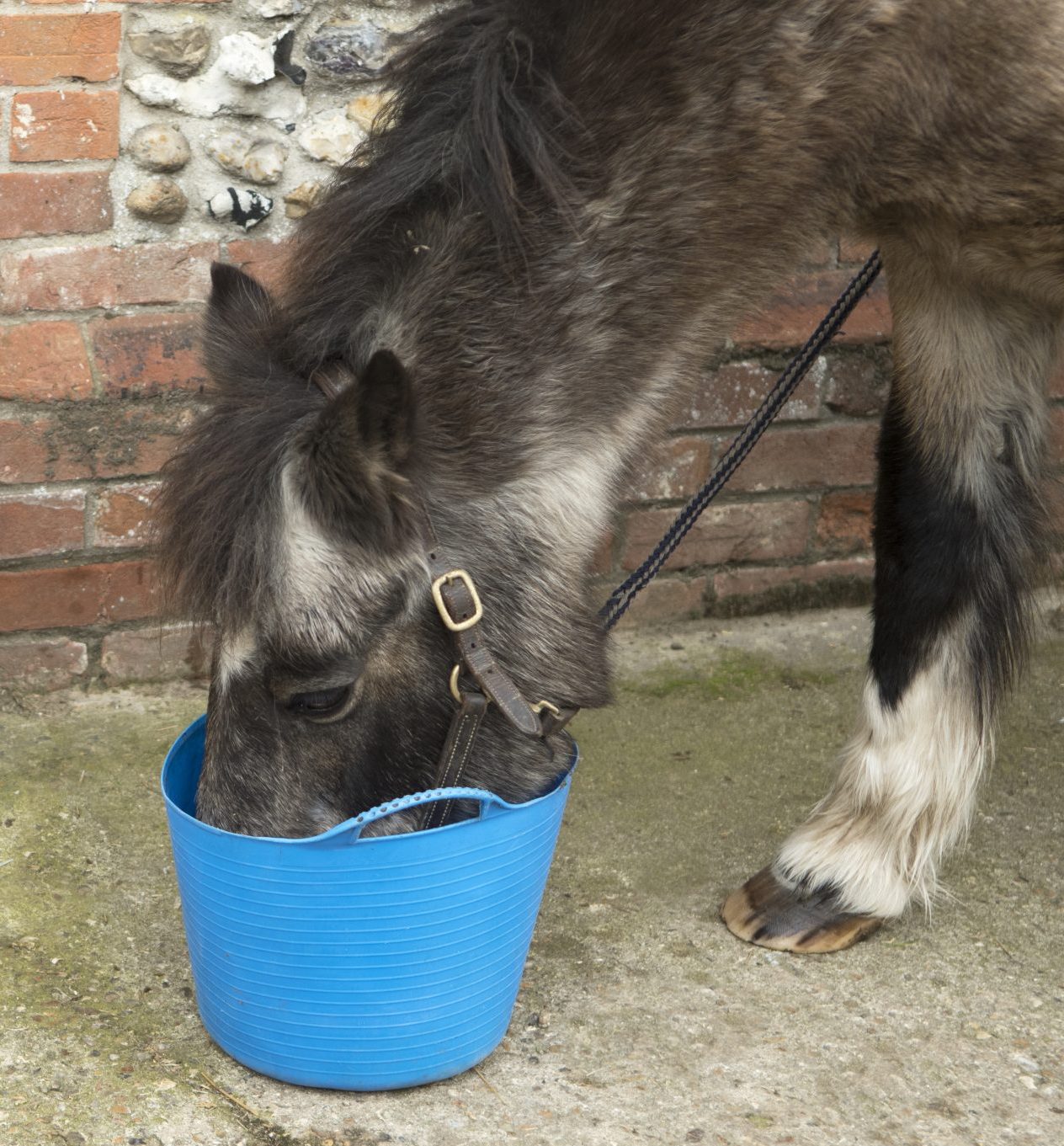
If you suspect your horse or pony is having a laminitic episode, get in touch with your vet immediately.
For tailored feeding advice for your horse or pony, please get in touch with our nutrition helpline on 01362 822902 or through our website contact form and we will be happy to help.


